The Thrill of Risk and Reward
One of the primary psychological factors that drives individuals to engage in casino gambling is the excitement associated with risk and reward. The prospect of winning substantial amounts of money creates a sense of thrill that is often irresistible. This rush of adrenaline can lead to an altered state of consciousness, whereby players momentarily escape their everyday worries and become fully immersed in the gambling experience, where some may even explore options like social casino games.
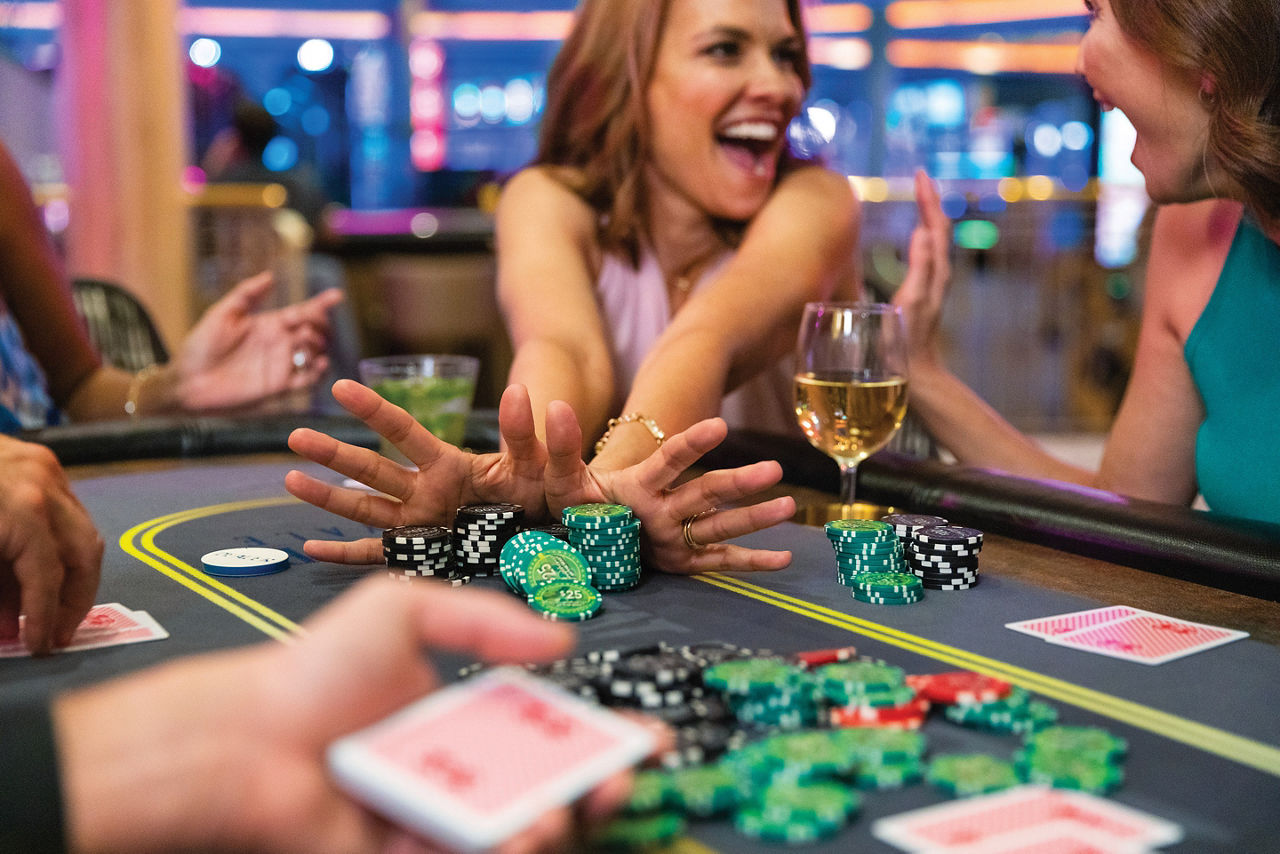
This thrill is not only about financial gain; it also taps into deeper psychological desires such as validation, self-worth, and a sense of adventure. The allure of striking it rich can overshadow the understanding of the odds, making it easier for players to chase losses or continue playing long after they should have stopped.
The Role of Cognitive Biases
Cognitive biases play a significant role in how individuals perceive gambling. Many players fall victim to the ‘gambler’s fallacy,’ believing that past events influence future outcomes. For instance, a player might think that a slot machine is ‘due’ for a payout after a series of losses. This misconception can perpetuate continued gambling, as players chase what they believe is a looming jackpot.
Additionally, the ‚illusion of control‘ is a common psychological phenomenon where gamblers believe they have more influence over the outcome of a game than they actually do. This belief can lead to overconfidence and excessive risk-taking, as they underestimate the randomness inherent in casino games.
The Social Aspect of Gambling
The social environment of a casino contributes significantly to its appeal. Many individuals are drawn to the communal aspect of gaming, where they can interact with others, share in the excitement, and engage in friendly competition. This social component can enhance the overall experience, making it more enjoyable and immersive.
Furthermore, the presence of other players can create a sense of camaraderie and excitement that amplifies the emotional highs and lows associated with gambling. Casinos often cultivate this atmosphere, encouraging individuals to participate in games not just for monetary gain but also for the joy of shared experience.
The Influence of Marketing and Design
The strategic design and marketing tactics employed by casinos play a crucial role in influencing gambling behavior. Colorful lights, engaging sounds, and enticing visuals are designed to captivate players and keep them in the gaming zone. This environment is meticulously crafted to enhance emotional responses and create a sense of euphoria.
Moreover, promotional offers, free bonuses, and loyalty programs entice players to gamble more frequently. These marketing strategies tap into the psychology of reward systems, leading individuals to perceive their gambling activity as more than just a leisure activity, but rather a smart financial decision or a pathway to wealth.

Commitment to User Safety
Understanding the psychological aspects of casino gambling is crucial for both players and operators. It fosters a safer gambling environment that prioritizes user well-being. With the complexities of human behavior in gambling, having resources that inform individuals about their experiences can lead to more responsible play and reduce the risks of gambling addiction.
As we explore the dynamics of casino gambling further, it’s essential for platforms to remain committed to providing secure access and encouraging healthy gaming practices. Reporting issues, informing users about safety measures, and guiding them in resolving problems reflect this dedication to protecting users in the evolving digital landscape.