How to Select an Interior Design Company in Dubai
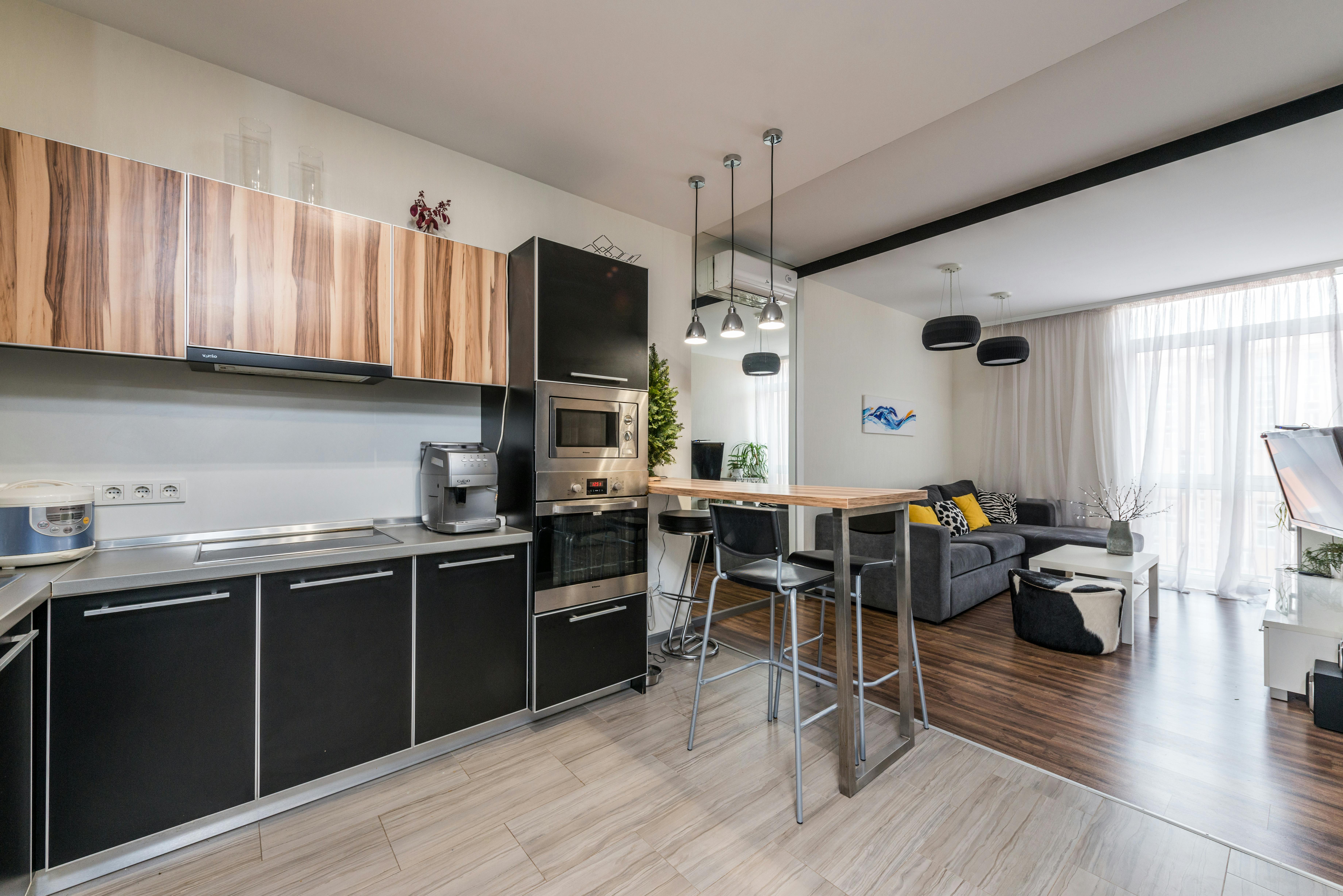
Come 2026, few choices are more pivotal for a homeowner or business owner than selecting the ideal interior design company in Dubai. From palace-scale villa specialists in Downtown Dubai through to nimble fit-out contractors serving Business Bay, Dubai Marina, and Jumeirah, the emirate boasts countless studios. Since the market covers such a vast array of budgets, specialisms, and delivery models, the best firm is always the one tailored most exactly to your individual brief. A practice that is brilliant with high-concept dining can be altogether the wrong pick for a family villa, and the converse is just as true. This guide breaks down what separates a smooth project from a costly, stressful one. It spans scope, budget, licensing, permits, portfolio fit, and the practical questions that show how a studio really operates. Bear in mind that each number throughout is a 2026 market-level estimate rather than a fixed quote. Go through it before you shortlist anyone, and you will negotiate from a position of real insight.
Start by Setting Scope, Budget, and Timeline
Your scope shapes every other decision, so define exactly what you need before you contact a single studio. Ask yourself whether you are updating a two-bedroom apartment, building out a villa, or fitting a retail or office unit. As a market estimate for 2026, turnkey home interiors in Dubai run roughly AED 75 to 250 per square foot at the budget end, AED 200 to 400 for mid-range, and AED 600 to 1,200 or beyond for luxury villas and penthouses. Office and corporate fit-outs come in near AED 220 to 650 per square foot, while retail and food-and-beverage projects can reach higher yet. Once design and fit-out are combined, a typical mid-range two-bedroom apartment of about 1,100 to 1,500 square feet often lands near AED 400,000 to 750,000. Timelines weigh just as heavily, with apartments commonly interior-designers-uae.com taking about 6 to 10 weeks, villas around 10 to 14 weeks, and large luxury homes 20 to 36 weeks. Settling these three variables early helps you filter out firms that are plainly wrong for the job. It also gives every studio you approach the same brief, so their quotes become properly comparable.
Check Licensing, NOCs, and Fit-Out Permits
In Dubai you cannot legally begin fit-out or renovation work without approvals in place first, so a firm’s mastery of the permit process is a real test of competence. The usual sequence begins with a No Objection Certificate (NOC) from your building owner or management, followed by a fit-out permit from the relevant authority. Which authority applies depends entirely on location, as Dubai Municipality (DM) governs most areas, while the Dubai Development Authority (DDA) or Trakhees oversees certain communities and free zones. Fire and life-safety sign-off comes from Dubai Civil Defence (DCD), and utility connections are arranged through DEWA. Broadly, these approvals take about 3 to 10 working days, and a capable studio works that window into the programme rather than being caught off guard. Having a firm handle this paperwork on your behalf spares you significant time and stress. You can review official requirements directly on the Dubai Municipality portal and the DDA fit-out permit pages before you commit to anything. Always get it in writing who is responsible for filing each approval.
Match a Studio’s Specialty to Your Project
Many Dubai studios specialise, and matching that specialism to your brief is one of the strongest predictors of a satisfying outcome. If you are planning an ornate, palace-scale villa, firms such as Luxury Antonovich Design, CK Architecture Interiors, and ALGEDRA Interior Design are celebrated for classical and contemporary luxury residential work. When it comes to apartments, penthouses, and turnkey bespoke residences, Zen Interiors, Muse Design, and Sneha Divias Atelier focus firmly on that segment. For hospitality, food-and-beverage, and retail projects, look to concept-led names like Bishop Design by Paul Bishop, Roar, and H2R Design. Corporate offices and commercial fit-outs are where Swiss Bureau Interior Design, Summertown Interiors, and Depa excel. For bespoke kitchens and joinery, firms such as Venezia Designs, ORA Group, and Al Banan Group are the go-to names. Picking a proven specialist over a generalist usually means fewer costly learning curves on your own project.
Key Questions to Ask Before You Sign
The right questions expose how a studio actually operates long before a contract is signed. Ask whether design and execution are handled in-house or subcontracted, because in-house teams typically offer tighter accountability and cost control. Ask for a clear, itemised fee structure, bearing in mind that design-only engagements in 2026 commonly run about AED 175 to 550 per square foot, or roughly 10 to 20 percent of the total project budget. Find out who manages NOCs, fit-out permits, and DCD approvals, and whether those costs sit inside or outside the quoted figure. Nail down the payment schedule, the snagging process, and exactly what the post-handover warranty covers. Ask how change orders are priced, since variations are where budgets most often slip out of control. Ask for a portfolio in your specific category plus references from recent, comparable projects. A studio that handles all of this confidently is usually one that has done it many times before.
Warning Signs to Watch For
A handful of warning signs dependably separate risky studios from dependable ones. Be cautious of any firm that names a firm price before understanding your scope, drawings, or site conditions in detail. Vague timelines that ignore the permit window are another warning sign, since NOC and fit-out approvals genuinely take time in Dubai. Watch for reluctance to put specifications, materials, and finishes in writing, or a contract that leaves change-order pricing undefined. Extremely low headline quotes can hide thin specifications, cheaper substitutions, or costs that reappear later as expensive extras. A studio that cannot tell you which authority, whether DM, DDA, or Trakhees, governs your building may struggle when approvals actually need filing. Trust your instincts if communication is slow or evasive during the sales stage, because it rarely improves once work begins.
Weighing Design-Only Against Design-and-Build
A major structural choice is whether to hire a design-only studio or a design-and-build, or turnkey, firm. A design-only practice produces the concept, drawings, and specifications, after which you appoint and manage a separate contractor yourself. A design-and-build firm instead carries a single line of accountability from concept through handover, which many Dubai clients prefer for speed and simplicity. The table below sets out the practical trade-offs using 2026 market estimates rather than fixed quotes. Neither model is universally superior, and the right choice comes down to how much involvement you want and how much risk you are prepared to manage. Hands-on clients often enjoy the control of a design-only route, while busy owners tend to favour turnkey delivery. Weigh it honestly against your own appetite for coordination before you decide.
| Consideration | Design-Only Route | Design-and-Build (Turnkey) |
|---|---|---|
| Typical fee basis | ~AED 175 to 550/sq ft, or 10 to 20% of the budget | Bundled into per-sq-ft rate (e.g. AED 200 to 400 mid-range residential) |
| Contractor handling | You appoint and coordinate separately | Managed by a single firm |
| Single point of accountability | No, split between designer and builder | Yes |
| Handling permits and NOCs | Usually on you | Usually managed by the firm |
| Best for | Involved clients seeking design control | Busy owners seeking speed and simplicity |
Reaching Your Final Decision
By now you should have a shortlist of two or three studios that genuinely fit your scope, budget, and timeline. Set their proposals side by side, focusing on how completely each addresses permits, specifications, and payment milestones rather than headline price alone. Talk to past clients where you can, and visit a completed or in-progress site if the firm allows it. Favour the studio that is a clear communicator, documents thoroughly, and shows real experience in your project category. Remember that in Dubai’s 2026 market, the cheapest quote rarely delivers the lowest final cost once variations are counted. Paying a bit more for a disciplined, well-organised team is usually money well spent. Pick the partner whose process gives you confidence, and the finished space will reflect that same discipline.